Optimal Timing for Residential Concrete
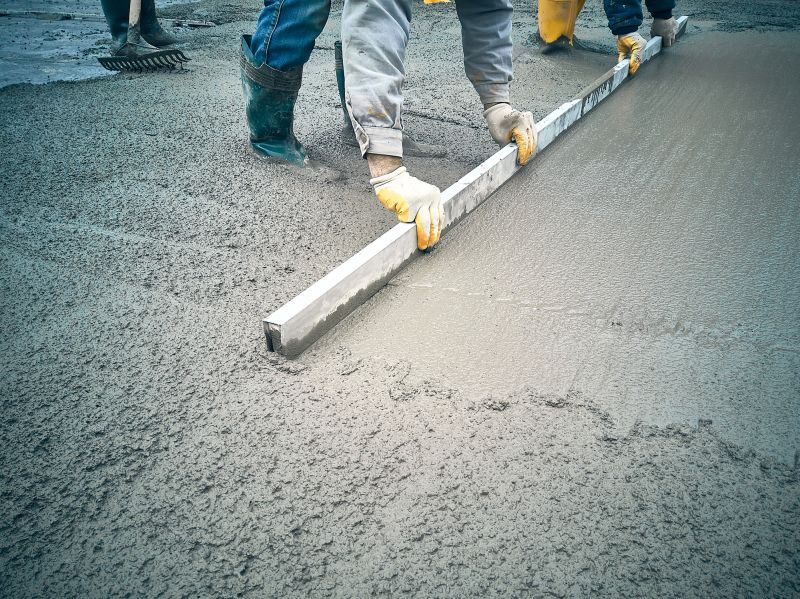
Spring offers moderate temperatures and lower humidity, ideal for concrete curing and setting.
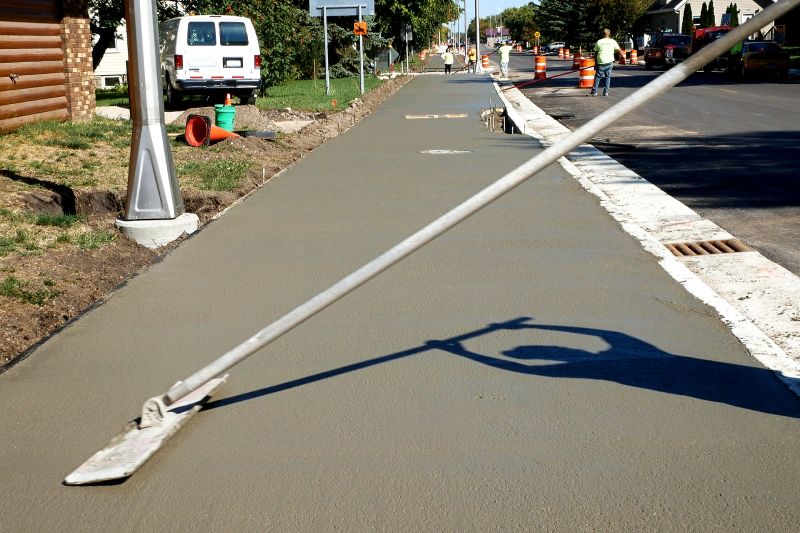
Warm weather can accelerate curing but requires precautions against rapid drying and cracking.
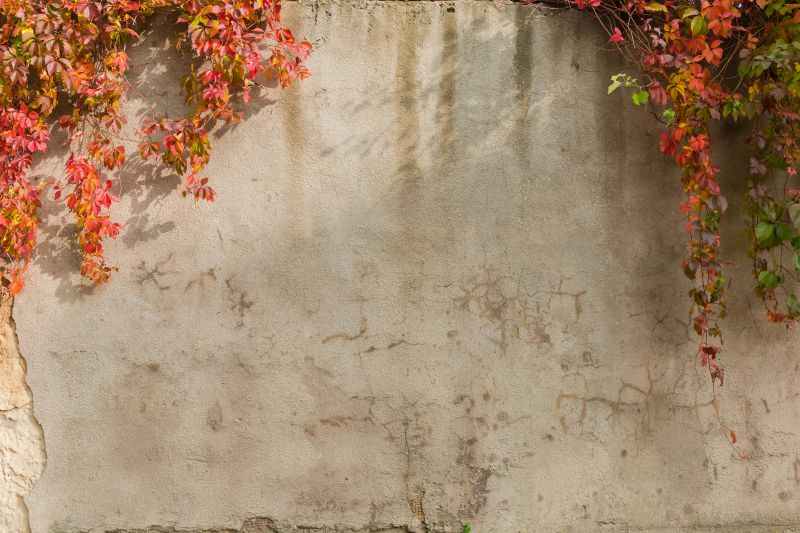
Cooler fall temperatures can extend working time and improve finish quality.
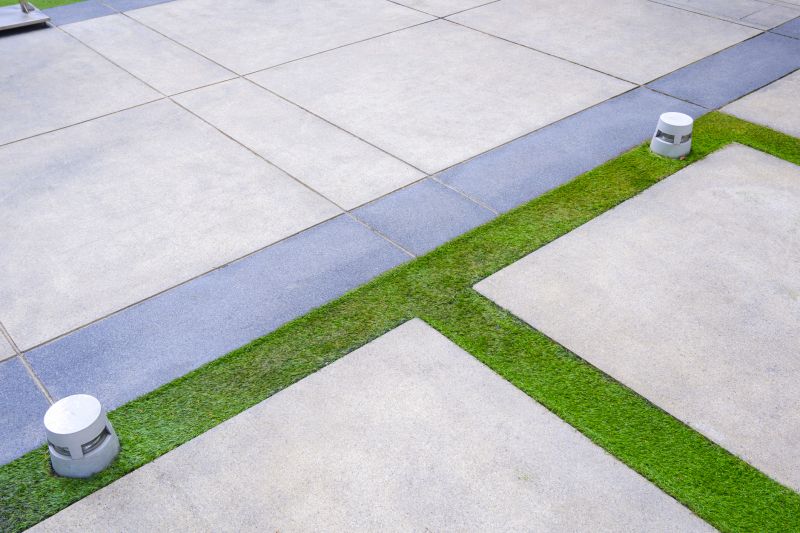
Ways to make Residential Concretes work in tight or awkward layouts.
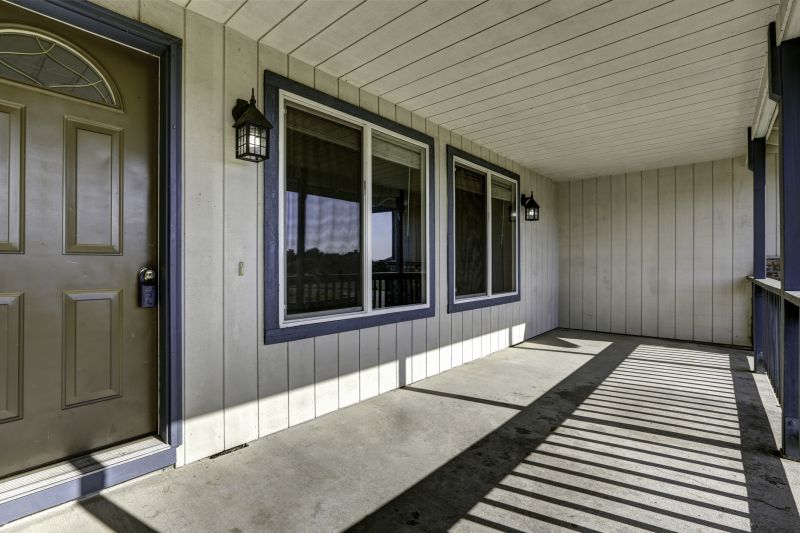
Popular materials for Residential Concretes and why they hold up over time.
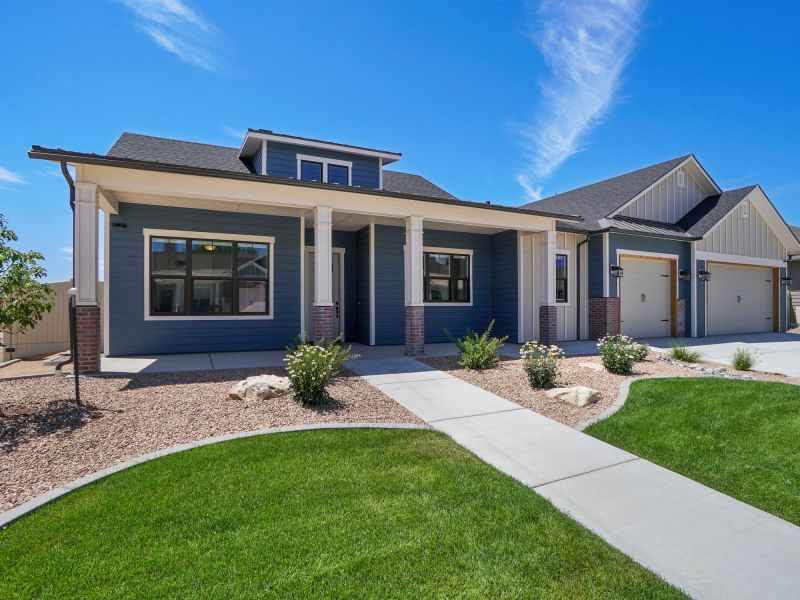
Simple add-ons that improve Residential Concretes without blowing the budget.

High-end options that actually feel worth it for Residential Concretes.

Finishes and colors that play nicely with Residential Concretes.
Residential concretes are a fundamental element in home construction and improvement projects. They are used for driveways, patios, walkways, and foundations. Proper timing ensures optimal curing, durability, and aesthetic appeal. The best time to pour concrete depends on climate conditions, temperature, and humidity levels. Generally, mild weather with stable temperatures promotes the best results, reducing the risk of cracking and surface imperfections.
Temperature fluctuations significantly influence concrete curing, with extreme cold or heat causing potential issues.
Ideal temperatures for pouring concrete are between 50°F and 85°F, ensuring proper hydration and setting.
Spring and fall are preferred seasons for residential concretes due to moderate weather conditions.
Monitoring weather forecasts helps in planning concrete pours to avoid rain, frost, or extreme heat.
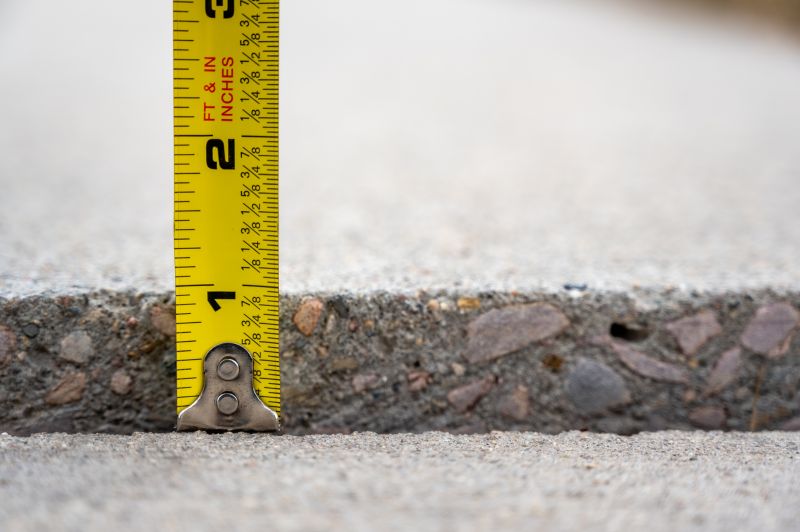
Little measurements that prevent headaches on Residential Concretes day.
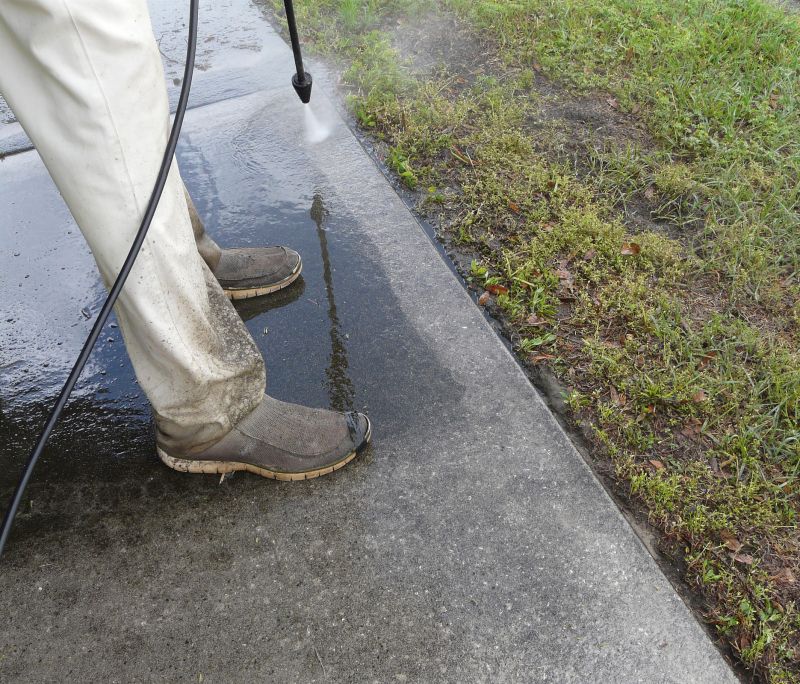
A 60-second routine that keeps Residential Concretes looking new.
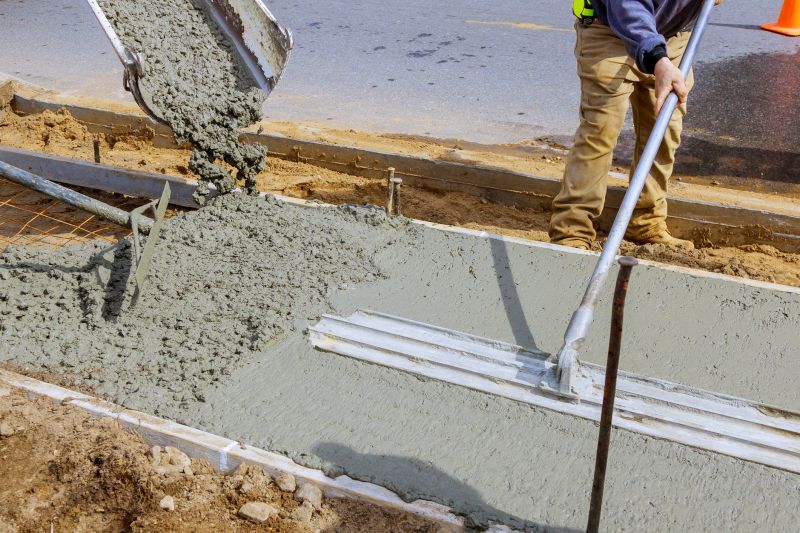
A frequent mistake in Residential Concretes and how to dodge it.
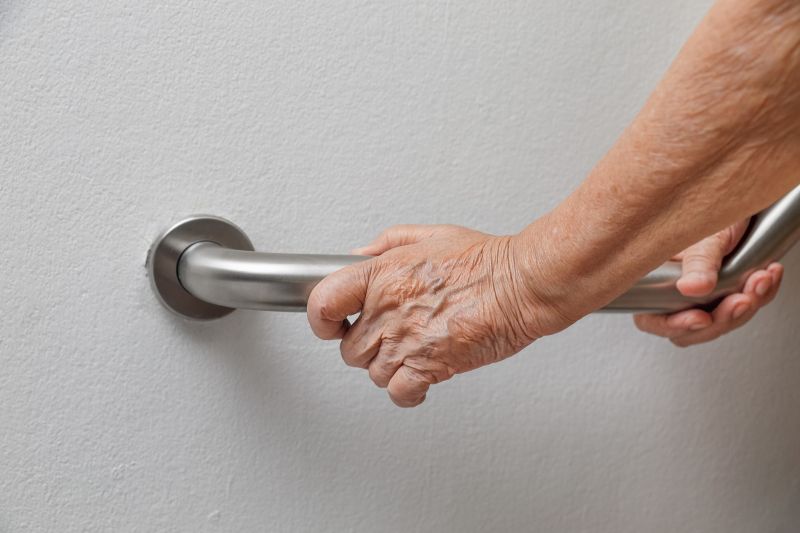
Small tweaks to make Residential Concretes safer and easier to use.
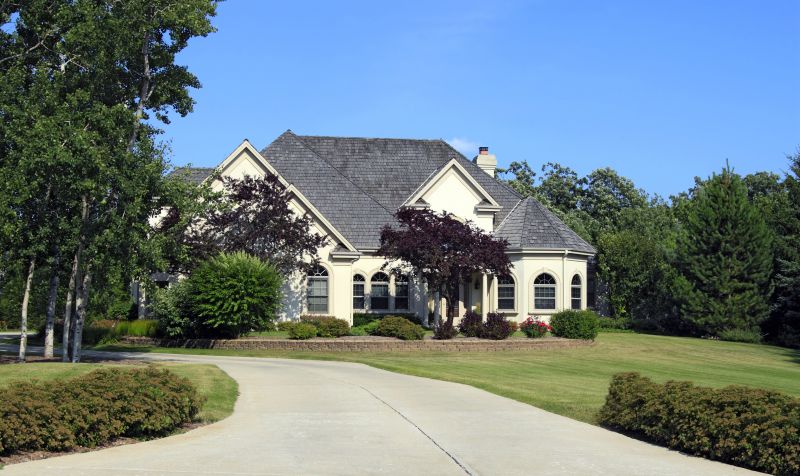
Lower-waste or water-saving choices for Residential Concretes.
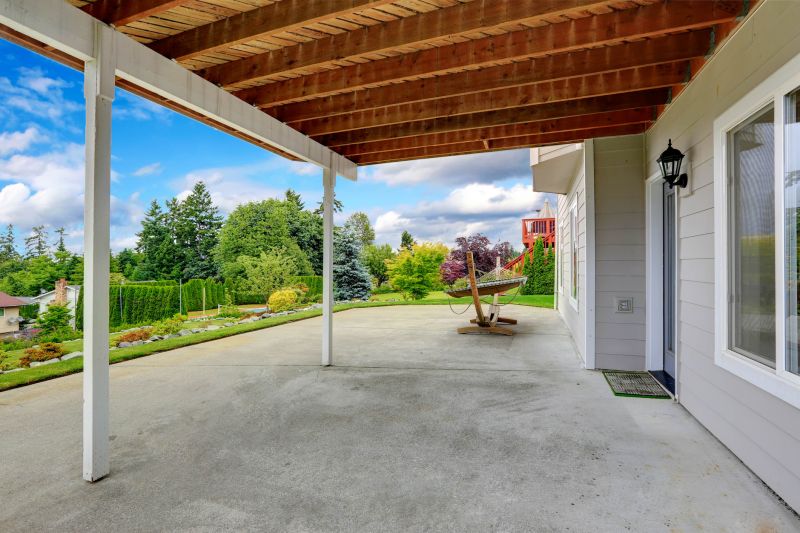
The short, realistic tool list for quality Residential Concretes.
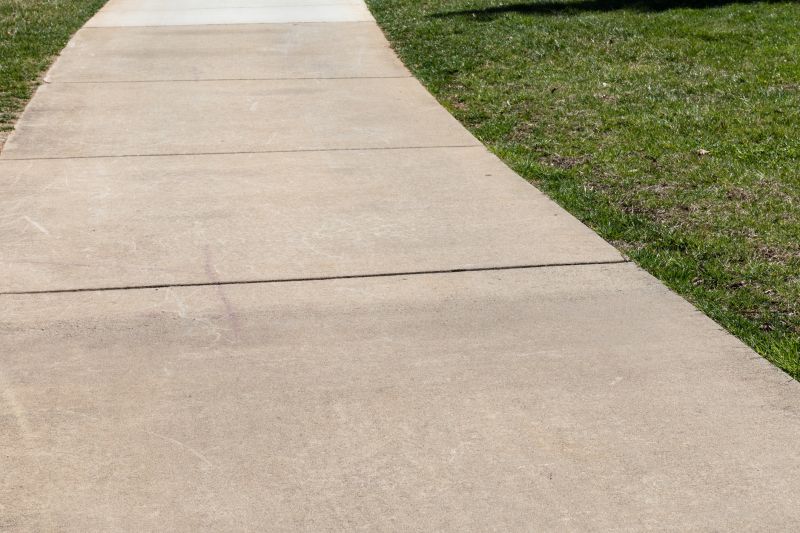
Rough timing from prep to clean-up for Residential Concretes.
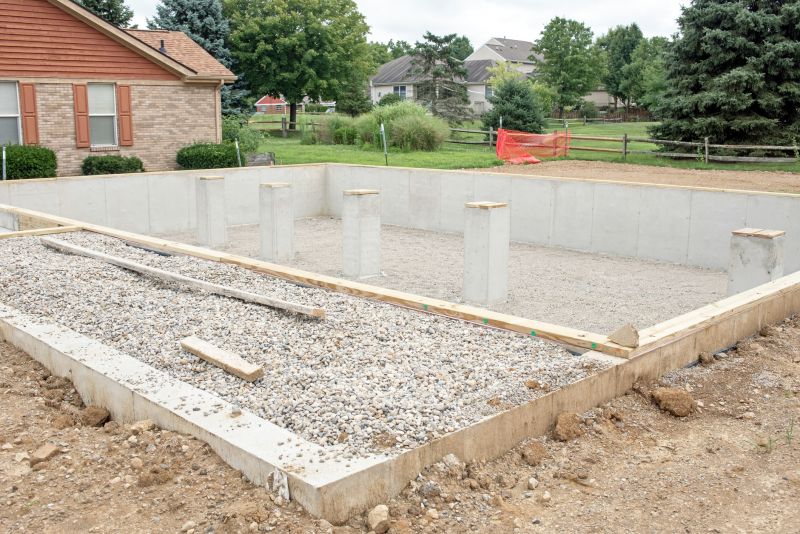
Quick checks and paperwork to keep after Residential Concretes.
Choosing the right time for residential concretes can influence project success and longevity. Proper planning around weather conditions ensures a smooth process and durable results. Consulting with professionals about seasonal timing and weather patterns can optimize outcomes for concrete projects.
| Season | Ideal Conditions |
|---|---|
| Spring | Moderate temperatures, low humidity |
| Summer | Warm weather, precautions against rapid drying |
| Fall | Cooler temperatures, extended working time |
| Winter | Cold temperatures, potential for delays |
If interested in residential concrete projects, filling out the contact form can provide guidance on scheduling and planning. Proper timing and weather considerations are essential for achieving durable, high-quality results in residential concrete applications.